Contributing to the ecological transition

Climate change
Our commitments:
Our commitments are set out in our environmental policy, which can be accessed via the link above.
Our climate strategy:
The Thermador Group and its subsidiaries are committed to combating climate change. Since 2021, we have been calculating our carbon footprint across Scopes 1, 2 and 3 in order to measure, better understand and manage our environmental impact.
Our climate strategy is based on the following key areas:
- Adapting to the effects of climate change.
- Reducing our carbon emissions and those of our value chain.
- Offsetting the emissions we cannot reduce in the short term.
In 2025, to consolidate this strategy, we embarked on the ACT Pas à Pas (Accelerate Climate Transition®) initiative to develop an ambitious yet realistic transition plan
The reduction of our carbon emissions and those of our value chain is a key priority for our group and is based on three main drivers:
- Reduce our own emissions across all three scopes.
- Offer our customers products and services that help accelerate their transition.
- Encourage all our stakeholders to commit to playing an active role in the low-carbon transition.
Our reduction targets:
In 2021, we set ourselves four key targets to reduce our Scope 1, 2 and 3 CO₂ emissions. Based on our 2022 baseline year, these targets have been set for 2030, a timeline that the current group management is confident it can meet.
They are based on realistic levers and concrete actions, the process for which is detailed in ESRS 2, section 3.2.5.
Our action plan to reduce our emissions:
- Enhancing our capabilities to strengthen the foundation of our climate strategy
- Making strategic choices
- Promoting eco-design in products
- Improving durability and reparability
- Engaging our manufacturing partners
As our Scope 3 emissions account for over 95% of our total emissions, this is a key focus of our decarbonisation strategy.
Water resources
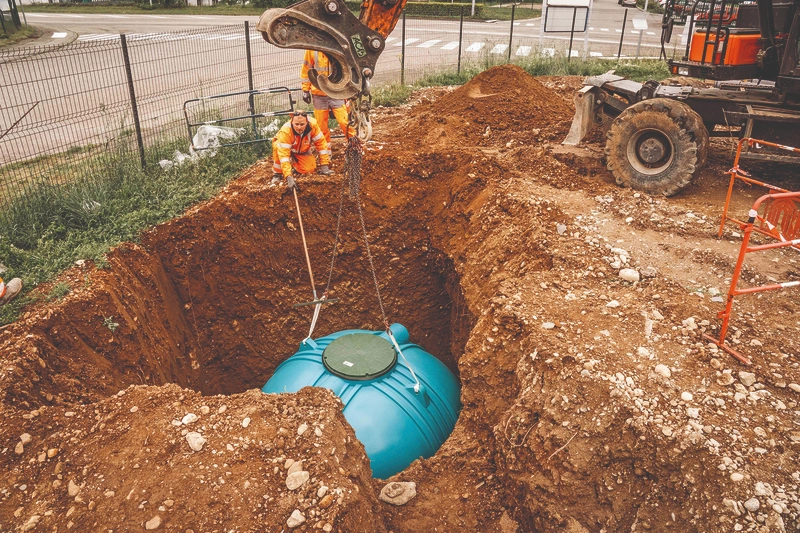
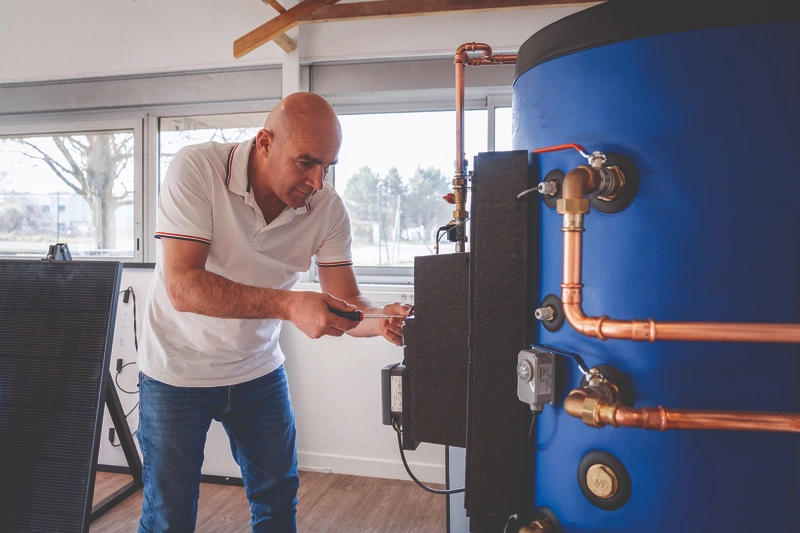
Supplying equipment to the building, civil engineering and industrial sectors – particularly for domestic hot water, rainwater harvesting, wastewater treatment and drinking water supply – our activities place us at the heart of the green transition.
Increasingly frequent droughts serve as a reminder of just how precious our water resources are.
Our efforts to conserve water extend not only to our own operations but also, and above all, to our customers, through the use of the products we sell. Several of our subsidiaries are experts in water management and recovery.
Circular Economy
The management of incoming resources, which are essential to our business, is a major strategic challenge. Our business model relies on the purchase of products that require critical raw materials, including metals, plastics, water and energy, for their upstream manufacturing. Adopting a circular economy approach is essential to reducing our dependence on virgin resources.
Our subsidiaries have a key role to play in selecting sustainable products and developing eco-design with their partners.
The services we provide to our customers also help to maximise the lifespan of products.
Biodiversity
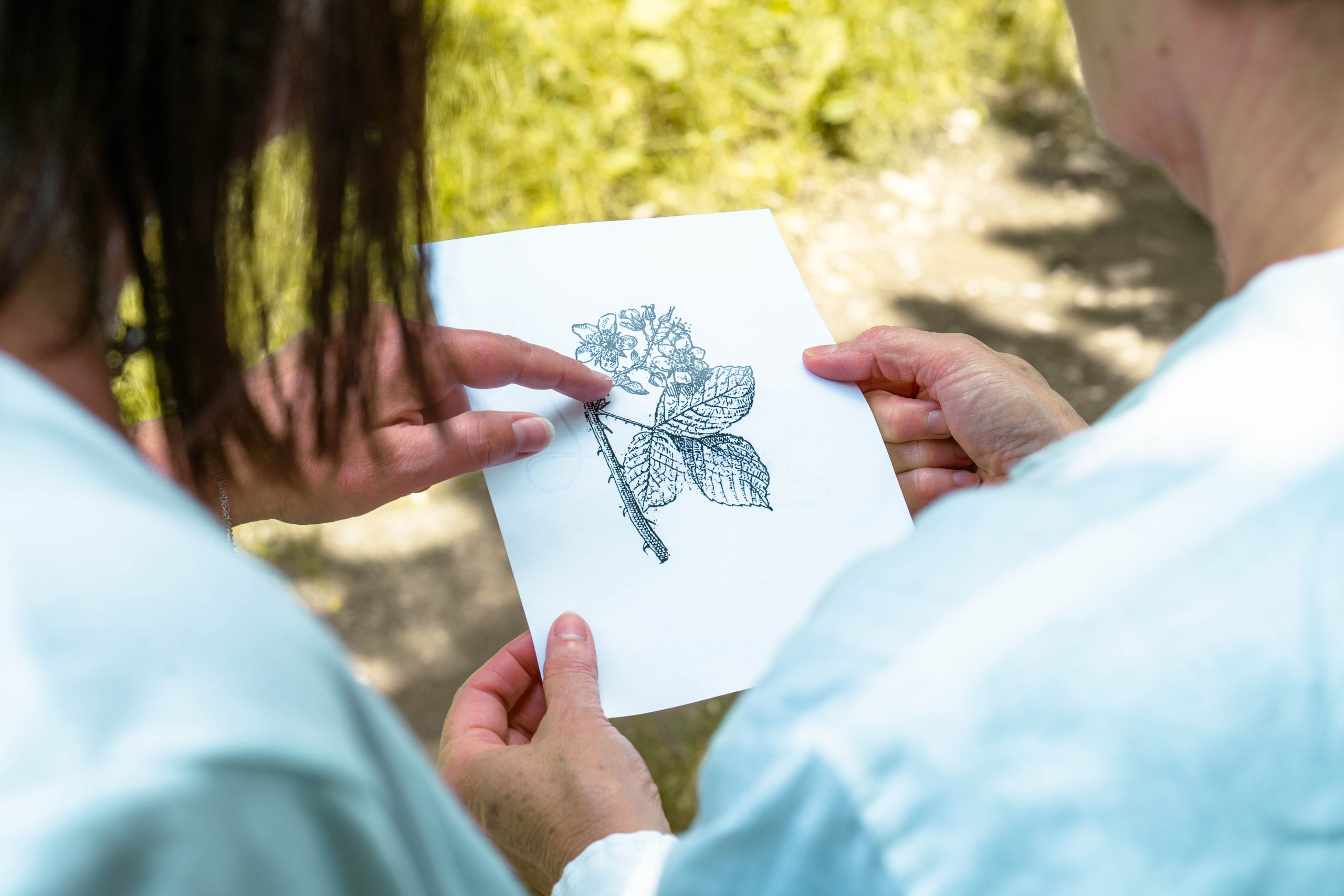
We have always been mindful of the environment around us and take care of the ecosystems surrounding our sites. We work in close collaboration with local stakeholders: local councils, inter-municipal associations, neighbours and community groups. For example, since 2015, the APIE (Association Porte de l’Isère Environnement) has been supporting our subsidiaries in Saint-Quentin-Fallavier as part of a long-term partnership, providing the services of expert naturalists. The APIE’s three key areas of action align with our own: understanding the local area to preserve it, preventing and reducing environmental damage, and improving the quality of life. In 2020, the cross-subsidiary environmental group Thermavert was established. In 2023, we drew up an internal biodiversity charter based on APIE’s recommendations. This charter sets out the recommended actions for managing our green spaces to preserve local flora and fauna.
Our key areas of focus, in line with the National Biodiversity Strategy (SNB), are:
- Priority 1: Reducing pressures on biodiversity
- Priority 2: Restoring biodiversity wherever possible
- Priority 3: Mobilising all stakeholders